# A Practical Guide to Caring for Thinning Hair and Maintaining Healthy Strands
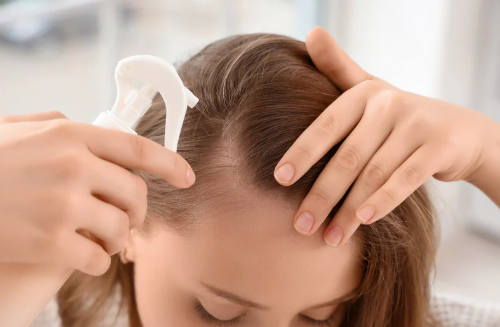
Hair can change gradually over time. You may notice more strands on your pillow, extra hair in the shower, or a parting that looks wider than it did a few months ago. For some people, the change happens slowly, while others notice shedding after illness, stress, hormonal changes, or a change in their usual routine. Although some daily shedding is normal, ongoing hair loss can be upsetting and may affect how you feel about your appearance.
Finding the right [hair loss and thinning treatment](https://hairformulas.ie/) starts with understanding what may be causing the problem. Hair thinning does not have one single cause, so a product that works for one person may not be suitable for someone else. Genetics, nutritional deficiencies, certain medicines, scalp conditions, and hormonal changes can all play a role. Paying attention to when the shedding began and whether other symptoms are present can help you decide what steps to take next.
## Start With a Gentle Hair Care Routine
Everyday hair care can make a difference to the condition of your strands. Hair that is already fragile may break more easily when it is brushed roughly, exposed to frequent heat, or pulled tightly into hairstyles. Small changes can help reduce unnecessary damage and keep the hair you have in better condition.
### Choose Shampoo That Suits Your Scalp
A clean scalp is an important part of a sensible hair care routine. Choose a shampoo that suits your scalp type and cleans away oil, sweat, and product build-up without leaving your hair feeling excessively dry. If your scalp is sensitive, a gentle formula may be a better choice than a product that leaves it irritated.
Shampoo cannot treat every cause of hair loss, so avoid expecting a single wash to make a noticeable difference to hair density. Instead, use it as part of a consistent routine. Follow the directions on the bottle, rinse thoroughly, and avoid scratching the scalp with your nails.
### Handle Wet Hair With Care
Wet hair can be more vulnerable to damage, particularly when it is tangled. Rather than rubbing it vigorously with a towel, gently squeeze out excess water. Use a wide-tooth comb and work through knots slowly, starting near the ends and moving upwards.
Limit excessive heat from straighteners, curling irons, and hair dryers. When heat styling is necessary, use a suitable heat protectant and choose a lower temperature where possible. These habits will not stop every type of hair loss, but they can help prevent avoidable breakage.
## Choosing Products That Fit Your Needs
Hair care shelves are full of products promising thicker, longer, or stronger hair. With so many choices, it is easy to spend money on several items without knowing which ones are useful for your particular concern. A more practical approach is to identify your main needs and choose products accordingly.
When comparing [hair products for hair growth](https://hairformulas.ie/hair-loss-conditioning/), look beyond the packaging and marketing claims. Check the ingredients, directions, and any available evidence behind the product's intended use. Shampoos and conditioners mainly help clean, soften, and protect the hair, while certain medicines have evidence for treating specific forms of hair loss. These products are not interchangeable.
A conditioner can make strands easier to comb and may reduce breakage caused by tangling. A scalp serum may be designed for a particular purpose, but its benefits depend on the formulation and available evidence. If you are considering supplements, remember that they are most useful when they address a genuine nutritional need. Taking extra vitamins without a deficiency is not guaranteed to improve hair growth.
### Look at the Cause Before Choosing a Treatment

The most suitable treatment for hair thinning depends on the reason your hair is becoming thinner. Pattern hair loss, temporary shedding, hair breakage, and scalp disorders require different approaches. A qualified healthcare professional or dermatologist can assess the pattern of hair loss and recommend appropriate options.
For example, topical minoxidil is an established option for certain types of pattern hair loss. However, it is not suitable for everyone, and results can take several months to become noticeable. It is important to follow the product instructions and seek professional advice if you are unsure whether it is appropriate for you.
Avoid starting prescription medicines or combining several active treatments without medical guidance. Some treatments have possible side effects or restrictions, and the benefits may vary from person to person.
## Daily Habits That Help Maintain Hair Condition
Hair care is not limited to the products you use in the bathroom. Your daily habits can also affect the condition of your hair and your general health.
### Eat a Balanced Diet
Hair growth depends on an adequate supply of nutrients. Include a variety of foods containing protein, iron, zinc, and vitamins as part of a balanced diet. Eggs, beans, lentils, fish, dairy products, nuts, and leafy green vegetables can all contribute useful nutrients, depending on your dietary needs.
If you have experienced persistent shedding alongside tiredness, changes in weight, or other unexplained symptoms, speak to a healthcare professional. They can decide whether blood tests or further assessment are needed. Avoid taking high doses of supplements without checking whether you need them.
### Manage Stress and Get Enough Rest
Stress can contribute to temporary hair shedding in some people. This may become noticeable weeks or months after a stressful event, illness, or major change. Regular physical activity, sufficient sleep, and time to relax can help you manage everyday pressure.
These habits are not a guaranteed cure for hair loss, but they support general well-being. If shedding continues or becomes more pronounced, do not assume that stress is the only explanation.
### Avoid Hairstyles That Pull on the Roots
Tight ponytails, braids, extensions, and other styles that repeatedly pull on the hair can contribute to traction alopecia. Over time, this type of damage may become permanent. Choose looser styles and give your scalp regular breaks from tension, especially around the hairline.
## When Should You Seek Professional Advice?
Some hair shedding is part of the normal hair cycle, but sudden or persistent changes deserve attention. Arrange an assessment if you notice bald patches, a rapidly widening parting, scalp pain, redness, scaling, or significant shedding that does not improve. Early assessment can help identify the cause and prevent certain types of hair loss from progressing.
It can also help to keep a simple record of when the shedding started, any recent illness or medication changes, and the products you have been using. This information may help a healthcare professional understand the pattern and decide what investigations or treatment options are appropriate.
### Building a Realistic Hair Care Plan With Hair Formulas
Hair care works best when it is based on your actual needs rather than promises of instant results. Hair Formulas offers hair care options for people looking to establish a more considered routine for their scalp and strands. Choosing suitable products, using them as directed, and avoiding unnecessary changes can make your routine easier to manage.
Give any recommended treatment enough time to work, provided it is safe and appropriate for you. Take occasional photographs under similar lighting if you want to track changes, rather than judging progress every day. Remember that improving hair condition, reducing breakage, and treating the underlying cause of hair loss are different goals.
Healthy-looking hair usually requires patience and consistent care. By paying attention to your scalp, maintaining balanced habits, choosing products carefully, and seeking professional advice when needed, you can make more informed decisions about your hair. A realistic routine is often more useful than constantly switching between products in search of a quick fix.
## Frequently Asked Questions
#### 1. Can changing my hair care routine reduce hair thinning?
A gentler routine can help reduce breakage caused by heat styling, rough brushing, and tight hairstyles. However, it may not address hair loss caused by genetics, hormonal changes, nutritional deficiencies, or medical conditions. If thinning continues, seek professional advice to identify the cause.
#### 2. How long does it take to see results from hair loss treatments?
The time required depends on the cause of hair loss and the treatment being used. Some established treatments may take three to six months or longer before changes become noticeable. Follow the recommended directions and consult a healthcare professional if you are unsure about progress or possible side effects.