# Understanding Hair Loss and Choosing the Right Treatment
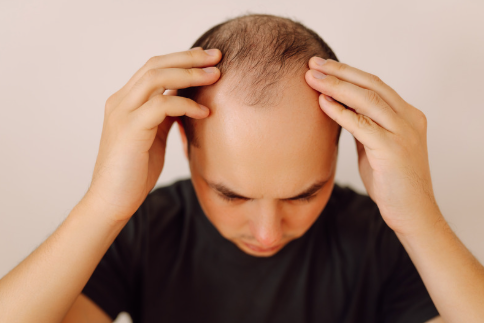
Hair loss can be a gradual change that is easy to overlook at first. You might notice more strands on your pillow, extra hair in the shower, or a ponytail that feels thinner than it used to. For some people, the changes happen slowly, while others notice shedding quite suddenly. Understanding what may be causing the problem can make it easier to choose suitable care and make sensible changes to your routine.
When thinning continues, finding the right [hair treatment for hair loss](https://hairformulas.ie/) depends on several factors, including the possible cause, your age, lifestyle, and overall hair and scalp condition. There is no single option that works in the same way for everyone. Some people may benefit from topical products, while others may need nutritional support or advice from a healthcare professional. Taking time to understand your situation is an important first step.
## Common Reasons Behind Hair Loss
Hair shedding is a normal part of the hair growth cycle. Losing some strands each day does not necessarily mean there is a problem. However, noticeable thinning or increased shedding can sometimes be linked to factors such as genetics, hormonal changes, stress, nutritional deficiencies, illness, or certain medications.
### Hereditary Hair Thinning
Genetics play a major role in many cases of hair loss. Men may notice a receding hairline or thinning around the crown, while women often experience reduced density around the parting or throughout the scalp. Hereditary thinning can develop gradually, making early changes difficult to notice.
### Lifestyle and Nutrition
Your everyday habits can also influence the condition of your hair. A diet lacking important nutrients, prolonged stress, poor sleep, and restrictive eating patterns may affect normal hair growth. Hair is not considered an essential body function, so nutritional shortages can sometimes become noticeable through changes in hair quality and shedding.
## Supporting Healthier Hair Growth
Looking after the scalp and hair does not have to involve a complicated routine. Gentle washing, avoiding excessive heat, protecting hair from harsh treatments, and choosing suitable products can help maintain its condition.
Nutrition also deserves attention. Protein, iron, zinc, vitamin D, and other nutrients contribute to normal body functions involved in maintaining healthy hair. If your diet is lacking something important, improving your overall nutrition may be helpful. However, supplements should not replace a balanced diet, and taking high doses without a clear reason is not always appropriate.

For people looking for additional nutritional support, [hair growth supplements](https://hairformulas.ie/hair-loss-conditioning/) may be included as part of a wider hair-care routine. Their usefulness depends on the ingredients and whether someone actually needs the nutrients provided. Checking the product information and following the recommended serving is important.
### Give Your Scalp Consistent Care
A healthy-looking scalp provides a good foundation for your hair-care routine. Washing regularly can help remove excess oil, sweat, and product build-up. At the same time, aggressive scrubbing or very hot water can leave the scalp feeling irritated.
Try to handle wet hair gently because it can be more prone to breakage. Using a wide-tooth comb and avoiding excessive pulling may also reduce unnecessary damage. Small changes like these can make everyday hair care easier and kinder to your scalp.
## Treatment Options Worth Considering
The best approach depends on the type and cause of hair loss. Some people may consider topical treatments, while others explore prescription options after speaking with a qualified healthcare professional. Light-based treatments and nutritional products are also used by some people as part of a broader routine.
It is important to have realistic expectations. Hair growth takes time, and changes are rarely visible overnight. A consistent routine is generally more useful than switching between products every few weeks. Keeping track of changes with occasional photographs can also help you notice gradual differences that may otherwise be difficult to see.
### When Professional Advice Can Help
If hair loss is sudden, severe, patchy, or accompanied by scalp irritation, it is worth getting professional advice. A doctor or qualified healthcare provider can help identify possible underlying causes and recommend appropriate next steps.
Professional guidance can be especially useful when considering prescription medicines. Some treatments are not suitable for everyone and may have side effects or require monitoring. It is better to understand the potential benefits and risks before starting them.
## Building a Practical Hair-Care Routine
A simple routine can be easier to maintain than a long list of products. Start with gentle scalp care, balanced nutrition, and habits that reduce unnecessary hair damage. From there, you can consider products that match your individual needs.
Hair Formulas offers products designed to support people who are looking for options for their hair-care routine. Choosing products based on your needs rather than following every new trend can help you stay consistent.
### Stay Patient and Consistent
Hair changes usually take time, so patience matters. Try not to judge a routine after only a few days or weeks. Give suitable approaches enough time to show whether they are helping, while paying attention to any unwanted changes.
Most importantly, avoid comparing your progress with someone else's. Hair loss can have different causes, and what works well for one person may not be appropriate for another.
## Final Thoughts
Hair loss can be frustrating, but understanding the possible causes gives you a better starting point. Gentle scalp care, good nutrition, sensible hair habits, and suitable treatment choices can all play a role in managing thinning. For people considering prescription options, [Finasteride for hair loss](https://hairformulas.ie/shopping-page/) should only be used after discussing suitability, benefits, risks, and proper use with a qualified healthcare professional.
## FAQs
**1. What can cause hair loss and thinning?**
Hair loss may be linked to genetics, hormonal changes, stress, nutritional deficiencies, illness, medications, or certain hair-care habits. Identifying the possible cause can help you choose a suitable approach.
**2. How long does it take to see changes in hair growth?**
Hair growth is a slow process, so noticeable changes can take several months. Staying consistent with a suitable routine and looking after your scalp can help you monitor progress over time.
**3. Can nutrition affect hair health?**
Yes. A balanced diet provides nutrients that support normal hair and body functions. If your diet lacks certain nutrients, addressing those gaps may support healthier-looking hair.